
The first-generation Porsche Cayenne GTS, a unique offering, gained notoriety for its rare manual transmission. This feature distinguishes it, sparking desires for its return.
Historical Significance of the 1st Generation GTS
The first-generation Porsche Cayenne GTS holds a special place in automotive history, largely due to its availability with a six-speed manual transmission. Introduced as a response to enthusiast demand, it stood apart from the predominantly automatic Cayenne lineup. This manual option wasn’t about outright speed; it was about driver engagement and a purist Porsche experience within a larger SUV package.
The GTS model, in particular, benefited from this transmission, offering a more connected and visceral driving experience. It became a sought-after variant, representing a unique blend of luxury, performance, and driver control. Its legacy continues to fuel discussions and desires for a manual Cayenne revival among Porsche aficionados today.
Rarity and Collectibility
The Porsche Cayenne GTS with a manual transmission is exceptionally rare, contributing significantly to its increasing collectibility. Relatively few were produced compared to automatic versions, making them highly desirable among Porsche enthusiasts and collectors. This scarcity drives up market values, as demand consistently outstrips supply.
Well-maintained examples, particularly those with low mileage and complete service histories, command premium prices. The manual transmission represents a unique piece of Porsche history, appealing to drivers who appreciate a more engaging and traditional driving experience. Its limited production run ensures its status as a future classic, attracting investment and admiration.
Understanding the Cayenne’s Manual Transmission
The Cayenne’s manual transmission was offered in specific model years, notably the first-generation GTS. It provides a distinct driving experience, differing from automatic options.
Specific Model Years Offering Manual Transmission
The availability of a manual transmission in the Porsche Cayenne was remarkably limited, primarily concentrated within the first generation (9PA, 2003-2010). Specifically, the coveted six-speed manual gearbox was almost exclusively offered with the Cayenne GTS. This high-performance variant, released in 2008, became the benchmark for enthusiasts seeking a driver-focused Cayenne experience.
While some base Cayenne models and S variants could be optioned with a manual in certain European markets during the early production years, these were exceptionally rare. The North American market largely missed out on these opportunities, with the GTS representing the primary, and often sole, pathway to a stick-shift Cayenne. Later generations of the Cayenne entirely abandoned the manual transmission option, solidifying the first-generation GTS’s unique position.
Technical Specifications of the Manual Gearbox
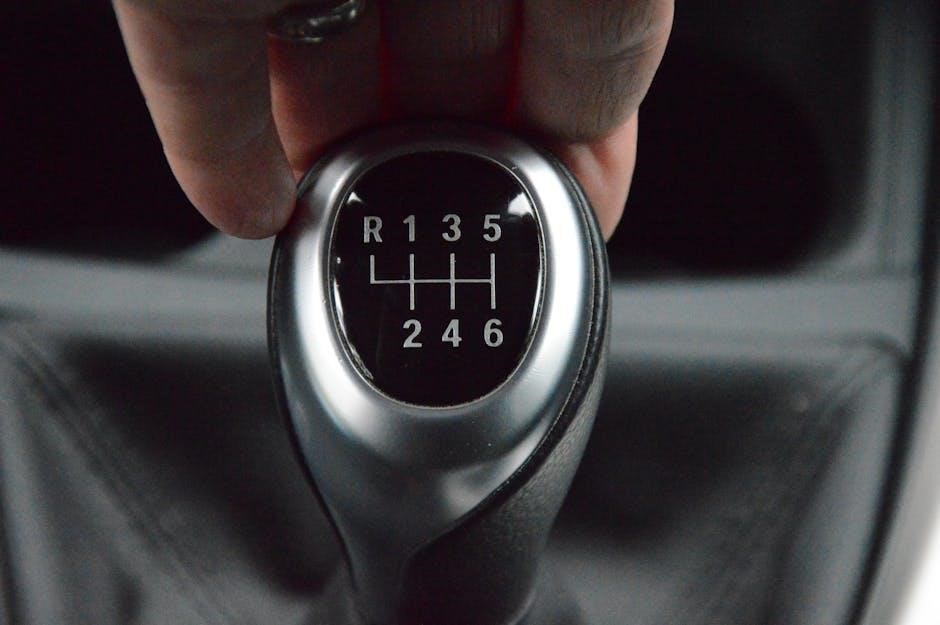
The Porsche Cayenne’s six-speed manual transmission (Type 977.301.1) is a robust unit designed to handle the vehicle’s substantial power and weight. It features a single-plate dry clutch, known for its direct feel, and utilizes a traditional H-pattern shift gate. The gearbox housing is constructed from aluminum alloy to minimize weight, while internal components are engineered for durability.
The transmission is directly connected to Porsche’s all-wheel-drive system, distributing power to all four wheels. It’s a heavy-duty gearbox, reflecting the Cayenne’s SUV stature and performance aspirations. While not sharing direct lineage with Porsche’s sports car transmissions, it embodies similar engineering principles focused on precision and reliability.
Gear Ratios and Performance Characteristics
The Cayenne’s manual gearbox features gear ratios tailored for a blend of performance and usability. First gear is relatively short, providing strong acceleration from a standstill, while higher gears are spaced for comfortable cruising. Specific ratios vary slightly depending on the engine variant paired with the manual transmission.
The transmission’s characteristics contribute to a more engaging driving experience, allowing for precise control over engine RPMs. This translates to quicker acceleration during spirited driving and improved engine braking. The manual Cayenne offers a distinct feel compared to the automatic, prioritizing driver involvement and a more connected sensation.
Common Problems and Issues
Cayenne manual transmissions can experience shift delays, hard shifting when warm, and fluid leaks. Tiptronic mode limitations also present occasional challenges for drivers.
Shift Delays: Diagnosis and Causes
Shift delays in the Porsche Cayenne’s manual transmission often manifest as hesitation before gear engagement. Diagnosing this issue requires a systematic approach, beginning with a thorough inspection of the clutch system for wear or hydraulic problems. Low transmission fluid levels, potentially stemming from leaks, can also contribute to delayed shifts.
Furthermore, internal wear within the gearbox itself, such as worn synchronizers or shift forks, can cause noticeable delays. Electronic control unit (ECU) malfunctions, though less common, should also be considered. A scan for diagnostic trouble codes (DTCs) can reveal potential electronic issues. Finally, ensure the clutch cable (if equipped) is properly adjusted, as improper adjustment can hinder smooth and timely gear changes.

Hard Shifting When Warm: Potential Reasons
Experiencing hard shifting in a Porsche Cayenne’s manual transmission specifically when warm suggests temperature-related issues. Thermal expansion can alter clearances within the gearbox, causing increased resistance during gear selection. Worn synchronizers, more noticeable when the transmission oil heats up and loses viscosity, are a primary suspect.
Additionally, a failing clutch master or slave cylinder can exacerbate the problem as temperatures rise, impacting hydraulic pressure. Inspecting the transmission fluid’s condition is crucial; degraded fluid loses its lubricating properties, contributing to friction. Internal damage to the shift forks or selector rods could also manifest as temperature-sensitive hard shifting, requiring a detailed inspection.
Transmission Fluid Leaks: Identifying Sources
Locating the source of a transmission fluid leak in a Porsche Cayenne’s manual gearbox is critical for preventing damage. Common leak points include worn seals and gaskets surrounding the input and output shafts, as well as the rear main seal. Inspect the transmission housing, particularly around the bellhousing and where the driveshaft connects.
The shift linkage and selector shaft seals are also potential culprits. Carefully examine the fluid’s trail to pinpoint the origin; a reddish fluid typically indicates transmission fluid. Don’t overlook the possibility of leaks from the clutch release cylinder, often mistaken for transmission leaks due to their proximity. Thorough cleaning before inspection aids accurate identification.
Tiptronic Mode Issues and Limitations
While the Cayenne’s manual transmission offers full driver control, the Tiptronic mode presents certain limitations. Although gear changes are generally smooth when utilizing Tiptronic, the system doesn’t always prioritize driver input for upshifts. It may override manual selections to protect the engine or transmission.
Some users report a reluctance of the Tiptronic system to automatically change up, requiring manual intervention even when optimal shift points are reached. This can detract from the driving experience for those seeking a fully automated manual feel. Understanding these limitations is crucial for maximizing enjoyment and avoiding frustration when employing Tiptronic mode.
Diagnosis and Repair
Effective diagnosis is key to resolving Cayenne manual transmission issues. Quick gearbox fixes are possible, addressing problems like hard shifts and ensuring optimal performance.
Diagnosing Transmission Problems
Pinpointing the root cause of Cayenne manual transmission issues requires a systematic approach. Shift delays, a common complaint, necessitate checking for underlying mechanical or hydraulic problems. Observe when the issue occurs – is it present from cold, or only when the transmission warms up? Hard shifting, particularly when warm, suggests potential synchronization or clutch issues.
Carefully inspect for transmission fluid leaks, as low fluid levels can cause a multitude of problems. Examine seals and gaskets for any signs of deterioration. Utilizing a diagnostic scanner can reveal error codes, providing valuable clues. Thoroughly assess Tiptronic mode functionality, noting any inconsistencies or limitations. A comprehensive diagnosis will guide the appropriate repair strategy, saving time and expense.
Gearbox Fixes: A Quick Overview
Addressing Porsche Cayenne manual transmission issues often begins with simpler solutions. For shift delays, inspecting and potentially replacing the clutch master and slave cylinders can prove effective. Hard shifting frequently benefits from a thorough transmission fluid flush and refill, ensuring proper lubrication. Addressing transmission fluid leaks involves identifying and replacing worn seals or gaskets – a meticulous process.
Quick fixes, like checking shift linkage adjustments, can sometimes resolve minor issues. More complex problems may necessitate internal gearbox repairs, requiring specialized tools and expertise. A video tutorial can guide basic repairs, but professional assistance is recommended for significant issues. Prioritize safety and accuracy during any repair attempt.
Transmission Fluid Change Procedure
Performing a Porsche Cayenne manual transmission fluid change requires careful attention to detail. Begin by warming the transmission, then securely lift the vehicle. Locate the drain and fill plugs, typically on the transmission housing. Carefully drain the old fluid, ensuring proper disposal methods are followed.
Clean the drain plug and install a new crush washer. Refill the transmission with the manufacturer’s recommended fluid, using a pump to avoid spills. Reinstall the fill plug and torque to specification. Finally, lower the vehicle and test drive to confirm proper operation. Regular fluid changes are crucial for longevity.
Identifying Worn Seals and Gaskets
Detecting worn seals and gaskets is vital for preventing Cayenne manual transmission issues. Look for visible fluid leaks around the transmission housing, particularly near the driveshaft flange and where the transmission connects to the engine. Inspect the transmission’s exterior for wetness or residue.
A low transmission fluid level is a strong indicator of a leak. Carefully examine the seals and gaskets for cracks, brittleness, or signs of deterioration. Addressing these leaks promptly prevents internal damage and costly repairs, ensuring optimal transmission performance and reliability.
Maintenance and Prevention
Regular transmission fluid changes, using the recommended fluid type, are crucial. Proactive maintenance prevents issues and extends the life of your Cayenne’s manual gearbox.
Recommended Transmission Fluid
Selecting the correct transmission fluid is paramount for the longevity and smooth operation of your Porsche Cayenne’s manual gearbox. Porsche specifies a unique fluid formulation designed to withstand the high stresses and temperatures generated within the transmission. Using an incorrect fluid can lead to premature wear, shifting problems, and ultimately, costly repairs. Generally, Porsche recommends a specific GL-4 rated 75W-90 synthetic gear oil.
However, it’s absolutely vital to consult your vehicle’s owner’s manual or a Porsche specialist to confirm the exact fluid specification for your specific model year and transmission code. Different variations may require slightly different formulations. Avoid using fluids not explicitly approved by Porsche, as they may lack the necessary additives to protect the intricate components of the manual transmission. Prioritize quality and adherence to Porsche’s recommendations for optimal performance and reliability.
Transmission Fluid Change Intervals
Establishing a consistent transmission fluid change schedule is crucial for maintaining the health of your Porsche Cayenne’s manual transmission. Porsche doesn’t provide a rigid, fixed interval, as driving conditions significantly impact fluid degradation. However, a general guideline suggests changing the fluid every 30,000 to 60,000 miles, or approximately every three to five years, whichever comes first.
For vehicles subjected to frequent hard driving, towing, or track use, more frequent changes – closer to the 30,000-mile mark – are highly recommended. Regularly inspect the fluid’s condition; if it appears dark, contaminated, or smells burnt, it’s time for a change. Ignoring fluid maintenance can lead to increased wear, shifting issues, and potential transmission failure. Proactive fluid changes are a cost-effective investment in your Cayenne’s longevity.
Preventative Maintenance Tips
Proactive maintenance is key to preserving the longevity of your Porsche Cayenne’s manual transmission. Regularly inspect for transmission fluid leaks, paying close attention to seals and gaskets. Ensure the clutch cable (if applicable) is properly adjusted and lubricated. Avoid aggressive shifting and “riding” the clutch, as this accelerates wear.
When driving, listen for any unusual noises emanating from the transmission. Promptly address any shift delays or hard shifting. Utilize the recommended transmission fluid and adhere to the suggested change intervals. Consider a professional inspection every two years to identify potential issues before they escalate. Consistent preventative care minimizes the risk of costly repairs and maximizes driving enjoyment.
Performance and Driving Experience
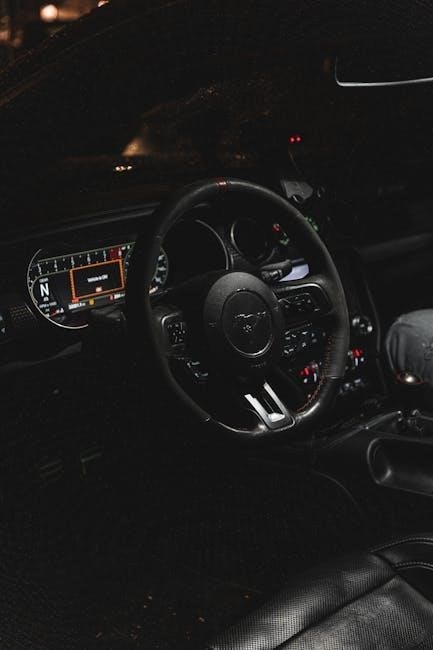
The manual Cayenne offers a uniquely engaging driving experience, appealing to enthusiasts who prefer direct control and a more connected feel compared to automatic models.
The Appeal of a Manual Cayenne
The allure of a manual Porsche Cayenne stems from a desire for a more visceral and engaging driving experience. In an era dominated by automatics, the availability of a stick shift in such a large SUV is genuinely special. It caters to purists who relish the control and connection offered by a manual gearbox, allowing them to fully participate in the driving process.
This isn’t simply about nostalgia; it’s about feeling more connected to the machine. Drivers appreciate the ability to select gears themselves, tailoring the power delivery to their specific needs and preferences. The manual transmission transforms the Cayenne from a luxurious cruiser into a surprisingly sporty and rewarding vehicle, appealing to those who want more than just comfortable transportation.
Driving Techniques for Optimal Performance
Mastering the manual Cayenne requires adapting driving techniques for peak performance. Smooth clutch engagement and precise throttle control are crucial, especially during upshifts and downshifts, to minimize power interruption. Rev-matching on downshifts is essential for seamless transitions and preventing jarring experiences, particularly when warm.
Utilizing the engine’s torque band effectively is key; avoid lugging the engine in higher gears at low speeds. Anticipate gear changes based on road conditions and maintain momentum. While Tiptronic mode offers some assistance, fully engaging with the manual shift pattern unlocks the Cayenne’s potential, delivering a more responsive and connected driving experience.
Comparison to Automatic Transmission Models
The manual Cayenne offers a distinctly different experience compared to its automatic counterparts. While automatics prioritize convenience and ease of use, the manual transmission fosters a more engaging and driver-focused connection. Automatic models, including those with Tiptronic, may exhibit smoother shifts in certain scenarios, but lack the direct control offered by a manual gearbox.
Performance-wise, a skilled driver can extract slightly quicker acceleration from the manual due to optimized gear selection. However, the automatic’s consistency often prevails in everyday driving. Ultimately, the choice hinges on driver preference – those seeking involvement and control will favor the manual, while others will appreciate the automatic’s simplicity.

Modifications and Upgrades
Enhancements for the manual Cayenne include performance clutch upgrades, short shifter kits for quicker throws, and transmission cooling solutions for demanding use.
Performance Clutch Upgrades
For Cayenne owners seeking enhanced performance from their manual transmission, upgrading the clutch is a popular modification. The stock clutch, while adequate for standard driving, can struggle to handle increased power from engine tuning or aggressive driving styles. Performance clutches offer increased clamping force, preventing slippage and ensuring efficient power transfer to the wheels.
Several options are available, ranging from organic clutches for improved pedal feel and drivability to ceramic clutches designed for maximum grip and heat resistance. Choosing the right clutch depends on the intended use of the vehicle. Considerations include driving style, power output, and whether the car is primarily used on the street or track. Installation typically requires specialized tools and expertise, making professional installation recommended.
Short Shifter Kits
A short shifter kit is a frequently sought-after modification for manual Cayenne enthusiasts aiming to improve the driving experience. These kits reduce the throw length between gears, resulting in quicker, more precise shifts. The stock shifter can feel long and vague, particularly for those accustomed to sportier transmissions; a short shifter addresses this directly.
Installation typically involves replacing the factory shift linkage with a shorter component. Several manufacturers offer Cayenne-specific kits, varying in adjustability and construction quality. Benefits include a more connected feel, reduced shift times, and a generally more engaging driving experience. While installation is manageable for experienced DIY mechanics, professional installation is advisable to ensure proper adjustment and avoid potential issues.
Transmission Cooling Solutions
Maintaining optimal transmission temperature is crucial, especially for modified or heavily used manual Cayenne models. Increased power output or frequent spirited driving can generate significant heat, potentially leading to fluid breakdown and component damage. Upgrading the transmission cooling system can mitigate these risks.
Solutions range from auxiliary transmission coolers to upgraded heat exchangers. An auxiliary cooler adds extra cooling capacity, typically mounted in front of the radiator. Upgraded heat exchangers offer improved efficiency over the stock unit. Proper fluid circulation is vital; ensuring the system is free of blockages is paramount. Monitoring transmission fluid temperature with a gauge is highly recommended to assess the effectiveness of any cooling upgrades and prevent overheating.

Resources and Community
Online forums and dedicated communities provide invaluable support for Cayenne manual transmission owners, offering expertise, parts sourcing, and repair guidance.
Online Forums and Communities
Engaging with online Porsche Cayenne forums and communities is crucial for owners of manual transmission models. These platforms serve as central hubs for sharing knowledge, troubleshooting issues, and connecting with fellow enthusiasts. Dedicated threads often focus specifically on the manual gearbox, discussing everything from common problems like shift delays and hard shifting when warm, to identifying sources of transmission fluid leaks.
Members frequently share experiences with gearbox fixes, clutch upgrades, and preventative maintenance tips. You’ll find valuable insights into identifying worn seals and gaskets, and recommendations for the correct transmission fluid. These communities are also excellent resources for locating parts suppliers specializing in manual transmissions and identifying professional repair services with expertise in these systems. Active participation can significantly enhance your ownership experience.
Parts Suppliers for Manual Transmissions
Sourcing parts for the Porsche Cayenne’s manual transmission requires careful consideration, as availability can be limited due to its rarity. Specialized Porsche parts suppliers are the most reliable source for genuine components, including clutches, seals, gaskets, and gearbox internals. Online retailers focusing on Porsche performance parts often stock upgrade options like performance clutches and short shifter kits.
Beyond new parts, exploring reputable used parts dealers can yield cost-effective solutions, particularly for less critical components. When purchasing used parts, verifying their condition and origin is paramount. Forums and communities (mentioned elsewhere) frequently list suppliers and offer recommendations based on member experiences. Always prioritize quality and compatibility to ensure proper function and longevity of your transmission.
Professional Repair Services
Given the complexity of the Porsche Cayenne’s manual transmission, engaging a qualified professional for repairs is often the wisest course of action. Seek out shops specializing in Porsche vehicles or European transmissions, possessing the necessary expertise and diagnostic tools. Experienced technicians can accurately diagnose issues like shift delays, hard shifting, or fluid leaks, and perform necessary repairs efficiently.
When selecting a repair service, inquire about their experience with Cayenne manual transmissions specifically. Request detailed estimates outlining the scope of work and associated costs. Reputable shops will offer warranties on their repairs, providing peace of mind. Online forums and communities can provide valuable recommendations for trusted service providers in your area.
Future Outlook
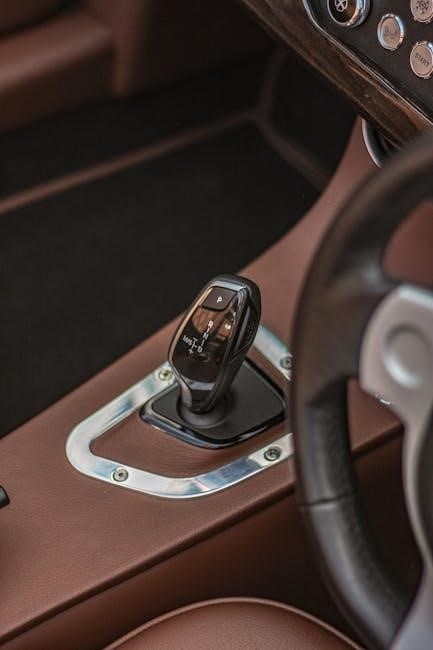
Demand for manual Cayenne models remains strong, fueling speculation about a potential revival. Porsche may respond to enthusiast desires with a future offering.
Demand for Manual Cayennes
The enduring appeal of the first-generation Cayenne GTS with a manual transmission demonstrates a consistent demand within the Porsche enthusiast community. This isn’t merely nostalgia; it’s a genuine preference for a more engaging driving experience. The rarity of these models significantly contributes to their collectibility and inflated market values, showcasing a willingness among buyers to pay a premium for the unique offering. Online forums and communities buzz with discussions about bringing back a manual option in newer Cayenne generations, highlighting a persistent desire for driver control.
This demand isn’t limited to purists; it extends to a broader audience seeking a distinctive and spirited SUV. The manual transmission transforms the Cayenne from a luxurious cruiser into a more visceral and rewarding machine, attracting drivers who prioritize connection and involvement. Consequently, the continued interest suggests a viable market for a modern manual Cayenne, potentially broadening the vehicle’s appeal.
Potential for a Manual Cayenne Revival
Despite the industry trend towards automatic transmissions, the sustained demand for a manual Cayenne suggests a potential, albeit challenging, path for revival. Porsche’s willingness to cater to enthusiast desires, as seen with other models, offers a glimmer of hope. However, engineering considerations and market viability are crucial hurdles. Adapting a manual gearbox to the current Cayenne’s platform would require significant investment and potentially compromise packaging or performance.
A limited-edition, enthusiast-focused model could mitigate some risks, gauging market response without committing to a full-scale production run. Ultimately, Porsche must weigh the development costs against the potential sales volume and brand enhancement a manual Cayenne could deliver. The passionate online community provides valuable feedback, indicating a receptive audience if Porsche chooses to revisit this iconic configuration.